Fall Wine Club 2023
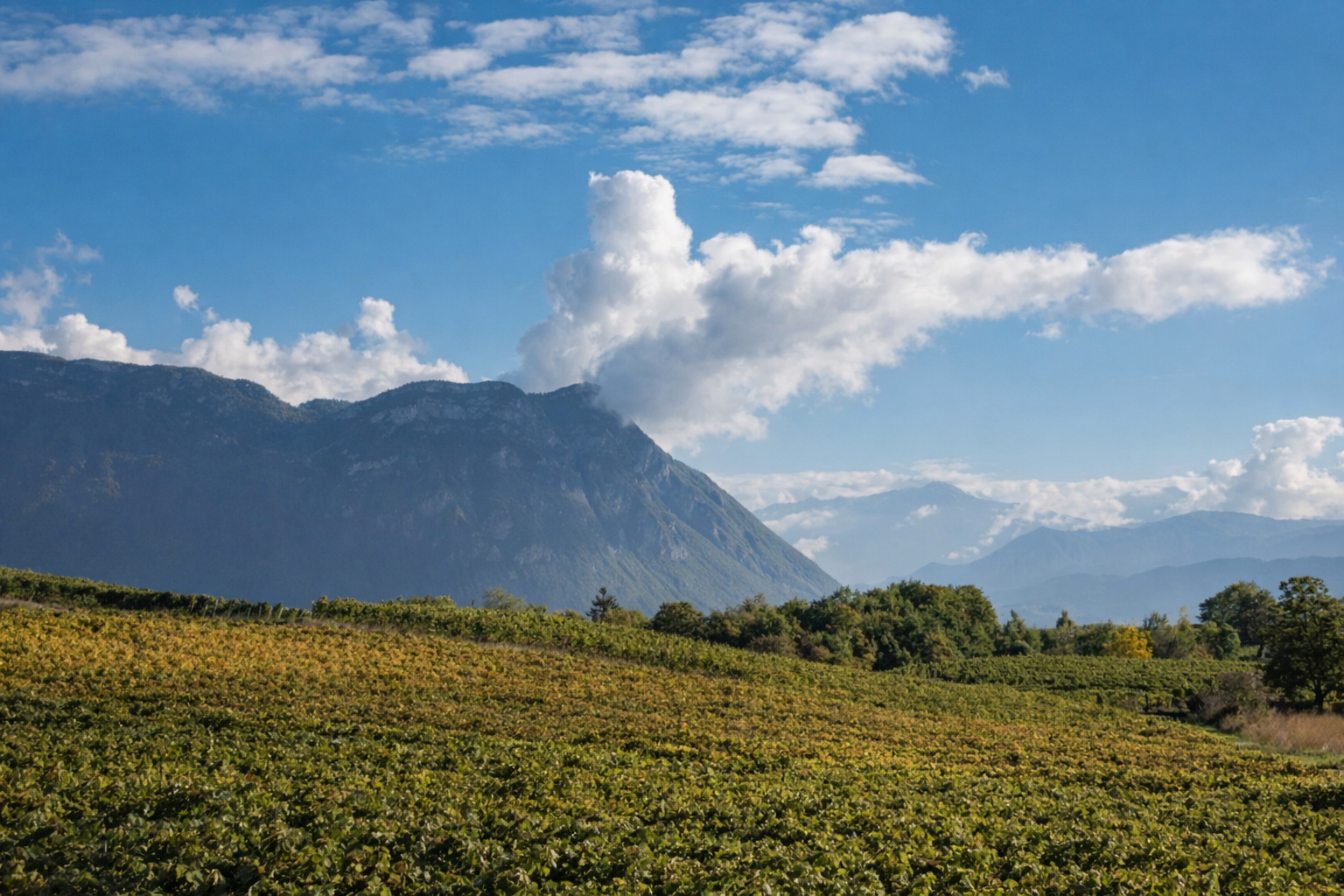
Personally, fall used to be my least favorite season. Days get shorter and colder, and the carefree feeling of summer begins to evaporate. But recently, that chill in the air and lower angle of the sun sparks excitement. Not only do we get to pull the tags off of the new flannel we bought on clearance this summer, but it’s time for some of my favorite food and drink to be harvested. Fresh salads, foraged chanterelles, charred root vegetables, fresh-picked apples, the smell of fermenting wine; the PNW yields a bounty that cured my seasonal depression. Maybe. I’m not a licensed psychologist. But now I refuse to write off a quarter of the year for any reason. For me, there’s always something to look forward to, greater than or equal to the negatives.
There’s nothing quite as pedal to the metal as a winery harvest. It’s an industry that relies more on free (usually by friends in exchange for wine or food) help than any other. It’s 8–12+ hours a day, 7 days a week for 2 months, with work that is both physically and mentally demanding. Innumerable decisions must be made that while none of them are individually make-or-break, they all add up to the ultimate success or failure of a vintage. A year’s worth of farming and cellar work completed within a month. If you meet a winemaker outside of a winery in the months of September and October, offer them a shoulder rub because they’re probably dying inside.
Your wines this fall both pair well with the fare of the season and are fantastic on their own. Some are wines I’ve been looking forward to all year, maybe longer. Others were beautiful surprises. As always, they are terroir-focused wines that I believe are unique to their environments and the people who craft them during this special time of year. They’re wines made in the vineyard, crafted in small amounts to highlight the effect of attentive farming over mass production. They’re friendly to our planet, as I believe we all must be, offering glimpses simultaneously into wine’s past and future.
Domaine Les Aricoques – Roussette de Savoie 2022
.png)
Roussette di Savoie is an AOC denominated white wine made from Altesse, a lightly aromatic white grape varietal native to the mountainous Savoie region of eastern France. One of the most famous of these mountains, the limestone composed and landslide prone Mont Granier, is pictured in the heading of this newsletter. This is a wine I’ve been waiting all year for. Started by two young natives of the region, Guillaume Bellon (left) and Romain Dupont began their domaine with just under 12 acres of vines of the native Altesse, Verdesse, Jacquere, Mondeuse, and Gamay. Tasting wines from here is like breathing in a mountain meadow baking in the summer sun, and this wine is a quintessential example. Tiny flowers, sun baked alpine herbs, and refreshment that feels like jumping into a mountain stream. Take this one up high into the cascades and enjoy it with a charcuterie board of cured meat and Tomme de Savoie cheese. Quickly, before the snow reclaims them!
Johan Vineyards – Kerner 2021
.png)
I’ll forgive you for having never heard of Kerner before. It was bred in Germany in the 1920’s as a cross between Riesling and Trollinger, a red grape. Like Riesling, it’s cold-hardy with late bud breaks and resistance to mildew and botrytis. As winegrowing moves into historically colder regions due to climate change, grapes like Kerner lead the way. One of my favorite Willamette Valley wineries, Johan Vineyards farms 115 acres, 85 under vine and 30 acting as “a biodiversity preserve, which includes virgin oak savannah and biologically active riparian zones.” (P.S. Their CSA includes biodynamic produce and bottles of their wines, how cool is that?!)
They grow Pinot and Chardonnay, of course, but also grow and experiment with many other varietals from the same part of the world as Kerner. Though they’ve grown it for years, this is their first unblended bottling. Made 2 different ways then blended (one with a quick cold soak, the other with 3 weeks on the skins) it combines freshness with tannic grip. Wines like this disturb the norm of the Willamette Valley, rewriting what’s possible. Drink this when you’re feeling especially angsty and/or experimental, perhaps while listening to Billie Holliday.
Domaine de Rutissons – La Bête 2021
.png)
It’s been a while since I’ve been so truly startled by a wine. It’s made from grape varietals I had never heard of grown in a place I didn’t know exists. Domaine des Rutissons farms 12 acres of vines in 7 different plots set amid the rugged mountains of Isère between the Savoie and the Rhone. Laurent Fondimare and close friend Wilfrid Debroize are the winegrowers committed to preserving and restoring the many absurdly rare local grape varieties of this extremely isolated growing region. Biodiversity is extremely important in the world of agriculture, afterall! The domaine is certified organic, in Biodynamic conversion, picks all grapes by hand, exclusively uses native yeasts during fermentation, and keeps sulfur levels to an absolute minimum.
La Bête (the beast) is a blend of Servanin, Joubertin, Persan, Pelourian, Gamay, Etrarie d'Hui and a few others. Drink this with a freshly harvested fall feast to bring out flavors you didn’t know existed.
Grape Ink – “Flower Fields” 2021
.png)
Born and raised in the Willamette Valley, Jarad Hadi first earned a masters degree in viticulture and oenology from the University of Bordeaux, then went on to work alongside some really big names. He has produced wines in Argentina, France, California and Oregon and consults with high-elevation vineyard development in Oregon and California. His vineyards are the northernmost and highest elevation.
Upon moving to his home in North Plains, he began helping his neighbors convert to organic farming. He farms his own property as well, planting obscure varietals from similarly high-elevation regions like the Jura, the Dolomites, the Savoie, and more. Another visionary reshaping the face of our most famous growing region, he’s even consulting on a terraced vineyard in the Columbia Gorge!
Flower Fields is a single vineyard field blend of Pinot Noir, Trousseau, and Mondeuse aged in neutral barrique for 22 months in a cave in the Coast Range. This wine is Jarad’s vision come to life. Drink this and try something you’ve never done before: write a poem, paint a picture sing karaoke, learn a dance. Life is for experimentation!
Paolo Giordano – Nebbiolo 2021
.png)
Listen, I agree. After all of the esoteric wines in wine club, why include a standard Piedmont table wine? Well, sometimes I find you astonishing value in these “declassified” wines. Paolo and Ileana Giordano have recently begun producing wines in Perno, a village in Barolo. Their winery, abandoned in 1994 when the last winemaking member of Ileana’s family passed away, is located in their basement. Their first vintage was in 2018, the next was the unbelievably beautiful 2019, and this Langhe Nebbiolo is from 2021, an equally stunning vintage.
This couple produces less than 400 cases of wine a year, with only 3320 bottles of their “entry” wine and 1250 bottles of Barolo, sourced from their vineyards on their street which I was lucky enough to walk in my travels to Italy. I was also lucky enough to be able to visit their winery and tasting room, also known as their basement and kitchen table. Yet another perfect food wine, you’ll want this one with roasted duck or veal which were on every menu in Piedmont, or break out the pasta maker for fresh ravioli. I also carry their Barolo :)
Domaine des Boissieres – “Les Amics” 2021
.png)
Marc Fraysse has captivated me with his wines since I first tasted them last fall. The wines I’ve tasted are all made from one grape with many names: Mansois, Fer Servadou, Fer, Pinenc, the list goes on (& on). It’s unique to its home in Southwest France where it grows on steep, terraced vineyards 1,100–1,600 ft above sea level.
The young winemaker here first took over an acre of his family’s vines, slowly increasing his holdings to just 3.7 acres from which he produces miniscule amounts of wine. For Los Amics, “the friends” in Catalan, Fer is sourced from all the various terroirs of the Marcillac: limestone, red marls, and red sandstone. It’s the best bits of 2021 fermented and aged in stainless tanks, meant to show the harmony of the terroirs when blended together. Spiced, lightly aromatic, and with velvety tannins, bring this to your turkey dinner and drink it with your amics. Or drink it from an enamelware mug to warm up after holiday tree hunting. Get festive!